
How Support With Daily Activities Differs From Help Around the House
Understanding the difference between personal and home care starts with one simple idea. Personal care is hands-on help with the body. Home care is help with the house and daily chores. Both support people who need extra help, but they focus on different parts of daily life. Knowing which one fits your needs can save time, stress, and money.

Quick Decision Answer
If someone needs help bathing, dressing, or using the bathroom, personal care services are usually the right choice. If they mostly need help cooking meals, cleaning, or running errands, home care may be enough. Some families choose both when care needs grow over time.
Option a Vs Option B Criteria
The main difference comes down to level of care and physical contact.
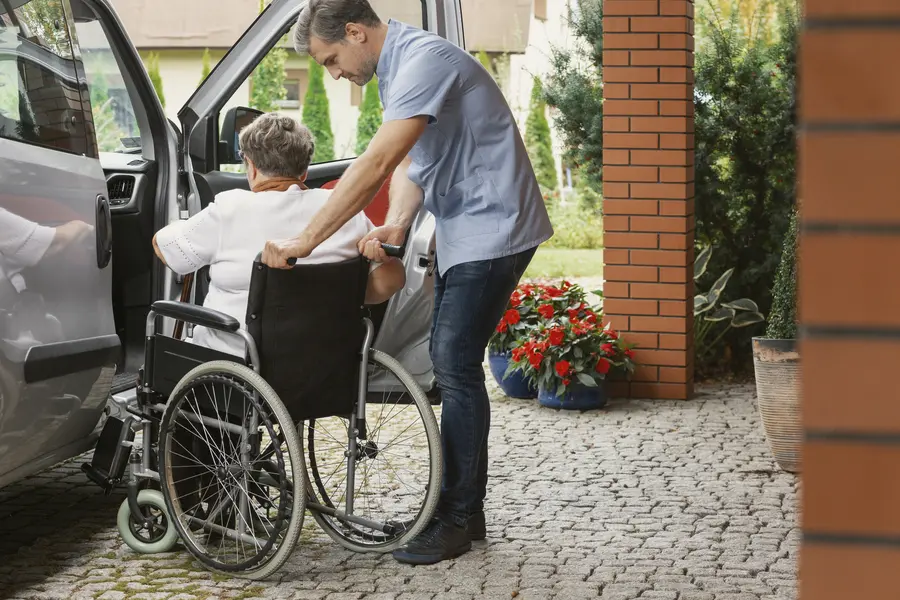
- Personal care services: Hands-on help with daily living tasks and hygiene.
- Home care: Non-medical support focused on household tasks and light assistance.
Personal care services often require trained caregivers. They may follow a care plan from a nurse or doctor. Home care workers focus more on keeping the home safe and organized.
Pros and Cons of Each
Both options have benefits and limits.
- Personal care services pros: Supports safety during bathing and movement, reduces fall risk, helps with dignity and comfort.
- Personal care services cons: Higher level of care may cost more and requires trust with hands-on support.
- Home care pros: Keeps the house clean and meals prepared, offers companionship, supports independence.
- Home care cons: Does not include hands-on body care or medical tasks.
For example, an older adult who cannot safely step into the shower alone would need personal care services. Someone who is steady on their feet but tired of cooking every day may only need home help.
Best Fit by Situation
Here are common scenarios to help guide your choice:
- After surgery and limited mobility: personal care services.
- Early stages of memory loss with a messy kitchen: home care plus supervision.
- Advanced dementia with trouble dressing: personal care services.
- Busy family caregiver who needs backup: a mix of both.
Needs can change. A person may start with light housekeeping and later add bathing support. Reviewing needs every few months helps families stay ahead of problems.
Mistakes People Make When Choosing
One common mistake is waiting too long to ask for help. Small balance issues can turn into falls. Trouble cooking can lead to poor nutrition.
Another mistake is choosing only home care when hands-on help is really needed. This can put stress on family members who may not be trained to lift or assist safely.
Some families also think personal care services are only for severe cases. In truth, early support can protect independence and prevent injury.
Final Decision Checklist
Ask these questions before deciding:
- Does the person need help with bathing, dressing, or toileting?
- Are there recent falls or balance problems?
- Is the home becoming hard to manage?
- Are family caregivers feeling burned out?
- Has a doctor suggested added daily support?
If you answered yes to hands-on care needs, personal care services are likely the better fit. If the main issue is cooking, cleaning, or errands, home care may meet your goals. When both personal and household needs are present, combining services may offer the safest plan.
Talk With a Care Team About Your Options
If you are unsure which type of help fits your family, we can guide you through the next steps in Hackensack, NJ. At Angel Touch Private Caregiver LLC, we offer personal care services tailored to each person’s daily routine and comfort level. Call us at (201) 982-2609 to talk about your situation and let us help you choose the right level of support.